
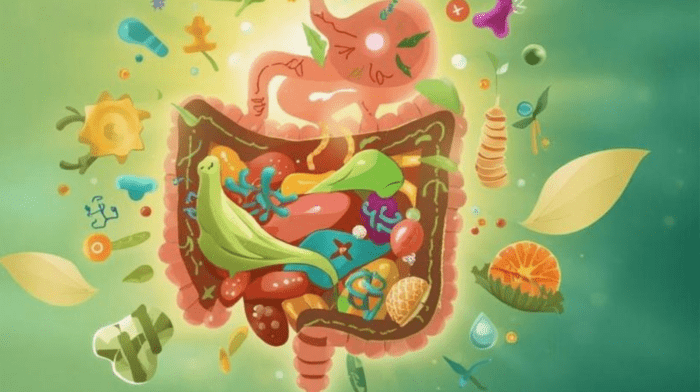
What is gut health?
Your gut health refers to the balance and function of the trillions of bacteria, fungi and other microbes living in your digestive system – known collectively as the gut microbiome.
A healthy gut microbiome:
- Helps break down food and absorb nutrients
- Produces important compounds like short-chain fatty acids
- Supports your immune system
- Influences inflammation levels
- Plays a role in hunger and fullness signals
According to Johns Hopkins Medicine, diet, sleep, stress and exercise all influence gut health and digestive balance (see Your Digestive System: 5 ways to support gut health).
How is the gut linked to weight?
Research shows that people with obesity often have a less diverse gut microbiome compared to people at a healthy weight. Diversity matters because different bacteria perform different helpful roles.
Your gut influences weight through several pathways:
1. Appetite regulation
Certain gut bacteria help stimulate the release of hormones involved in fullness – including GLP-1 and peptide YY (PYY). These hormones signal to your brain that you’ve eaten enough.
2. Energy extraction
Some bacteria are more efficient at extracting calories from food. An imbalance may increase energy absorption.
3. Inflammation
An unhealthy gut can increase low-grade inflammation, which is linked to insulin resistance and weight gain.
4. Cravings and food choices
The gut communicates with the brain via the gut–brain axis. Emerging research suggests gut bacteria may influence cravings and eating behaviours.
The gut and natural GLP-1 production
Your body naturally produces GLP-1 (glucagon-like peptide-1) in the gut after eating. This hormone:
- Slows stomach emptying
- Reduces appetite
- Improves blood sugar control
Weight loss drugs like Wegovy (semaglutide) and Mounjaro (tirzepatide) mimic or enhance this GLP-1 pathway.
Supporting gut health won’t replicate the effects of these medications, but it may help optimise your body’s own GLP-1 response and improve metabolic health over time.
3Ps – How probiotics, prebiotics and postbiotics support your gut
Probiotics, prebiotics and postbiotics all work together to strengthen your gut microbiome. In simple terms:
- Probiotics add beneficial bacteria to your gut.
- Prebiotics feed the good bacteria already there.
- Postbiotics are the helpful compounds those bacteria produce once they are well fed.
Together, they improve microbial diversity, strengthen the gut lining, reduce inflammation and support the hormone signals involved in appetite control and metabolism.
Understanding the terminology helps.
Probiotics
Live beneficial bacteria found in fermented foods and some supplements.
Examples:
- Live yoghurt
- Kefir
- Kimchi
- Sauerkraut
- Miso
Prebiotics
Types of fibre that feed beneficial bacteria in your gut.
Examples:
- Onions
- Garlic
- Leeks
- Oats
- Bananas
- Asparagus
- Beans and lentils
Postbiotics
Compounds produced when gut bacteria ferment fibre – especially short-chain fatty acids like butyrate. These help reduce inflammation and improve gut lining health.
Foods that support gut health
Here are simple additions that can help improve gut diversity:
| Food | Why it helps |
| Live yoghurt | Provides probiotics |
| Kefir | Rich in diverse bacteria strains |
| Kimchi / sauerkraut | Fermented vegetables with beneficial microbes |
| Oats | High in soluble fibre (feeds bacteria) |
| Beans and lentils | Excellent source of fermentable fibre |
| Apples | Contain pectin, a prebiotic fibre |
| Flaxseed | Supports beneficial bacteria and bowel function |
| Kombucha | Fermented tea containing live cultures that may support microbial diversity |
If you’re on GLP-1 medication, start slowly with fibre increases to avoid bloating.
Read our related article: Fibre – the weight loss secret weapon
Does exercise affect gut health?
Yes. Regular moderate exercise increases microbial diversity and reduces inflammation. If exercise is difficult, don’t worry, you don’t need intense training – walking, strength training and consistent movement are enough.
See our related article: Exercise on weight loss drugs
Gut health and long-term weight loss on GLP-1s
If you’re using Wegovy or Mounjaro, improving gut health can support:
- Better digestion while appetite is reduced
- Reduced constipation (a common side effect)
- Improved metabolic flexibility
- Stronger appetite regulation after stopping medication
Building gut-friendly habits while on GLP-1s may make the transition off medication smoother.
Read our related article: How to maintain weight loss after stopping Mounjaro
Practical ways to support your gut
- Aim for 25–35g fibre per day (increase gradually)
- Include at least one fermented food daily
- Eat a wide variety of plant foods (aim for 20–30 different plants per week)
- Stay hydrated
- Prioritise sleep and stress management
- Move your body regularly
Gut health is not about perfection – it’s about diversity and consistency.
Final word from SlimrChat
A healthy gut won’t replace GLP-1 medication but it supports the same systems those drugs work on. If you’re building better eating habits now, you’re strengthening your long-term foundation for weight loss and metabolic health.
Think of gut health as your internal support system – one that works quietly in the background to help you feel fuller, steadier and more in control.