Why portion size suddenly matters more
GLP-1 medications slow how quickly the stomach empties. This means food remains in the stomach longer than usual.
So, when large meals are eaten, the stomach can become overly full, which may trigger nausea signals.
The stomach becomes more sensitive
When appetite drops, the stomach adjusts to smaller amounts of food and over time the body becomes used to:
- smaller meals
- slower digestion
- longer periods of fullness
As a result, large meals may suddenly feel uncomfortable.
Signs your meal may be too large
People often notice:
- nausea after eating
- pressure or fullness in the stomach
- burping or reflux
- loss of appetite for the rest of the day
These symptoms are often a signal that the meal size was too big.
What the small meal rule means
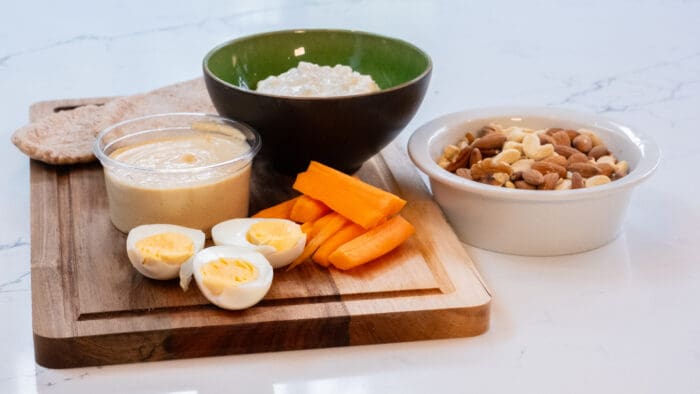
Instead of three large meals per day, many people feel better with:
- smaller portions
- slower eating
- lighter meals
Some people prefer three smaller meals and one snack, while others eat slightly more frequently. The key is avoiding very large portions.
Why this helps digestion
Smaller meals allow the stomach to process food more comfortably while digestion is slowed by the medication. This, in turn, can reduce:
- nausea
- reflux
- bloating
Related articles
Why nausea happens when your dose increases on Mounjaro or Wegovy
Feeling tired on weight loss drugs? It might be your diet
Final word from SlimrChat
Weight loss drugs change appetite and digestion in powerful ways. Learning to adjust meal size is one of the most helpful habits during treatment.
Many people find that once they adopt the small meal rule, nausea becomes far easier to manage.