It’s not just you
Constipation is one of the most reported side effects of weight loss treatments. It affects around: 1 in 4 people on Wegovy and 1 in 10 on Mounjaro
So if you’re going less often than usual, or things feel harder (pardon the pun), slower or uncomfortable, then you’re very much not alone.
Why it happens
There isn’t just one cause. It’s usually a combination of a few things happening at once.
- Everything slows down and the treatments slows how quickly food leaves your stomach. That’s part of why you feel fuller for longer. But it also means things can move more slowly through your gut.
- You’re eating less (a lot less for some), with many of us on GLP-1s cutting food intake quite dramatically. That means less fibre going in, which means less bulk to keep things moving.
- You might be drinking less water too, and reduced thirst is a sneaky one. Less fluid = drier stools, because our body is getting the water where it can; yes even from our poo.
- The “beige food phase”: if you’ve been feeling sick you might be having toast or plain carbs. Totally understandable but not great for fibre.
The key thing to know
For many of us this does improve over time as your body adapts. But while you’re in it, it’s worth getting on top of it early. Leaving it too long just makes it harder (literally).
What helps
1. Hydration first. Always.
If you do one thing, do this.
- Aim for regular fluids across the day, not all in one go
- Water, squash, herbal teas all count
- A simple trick: drink a glass every time you eat something
I always had (still do!) a bottle of water with me all through the day. It just keeps everything more regular. – Robert
2. Fibre… but don’t overdo it
Yes, fibre helps. But more is not always better (and too much too quickly can actually make things worse).
- Aim for gradual increases, not a sudden fibre overload
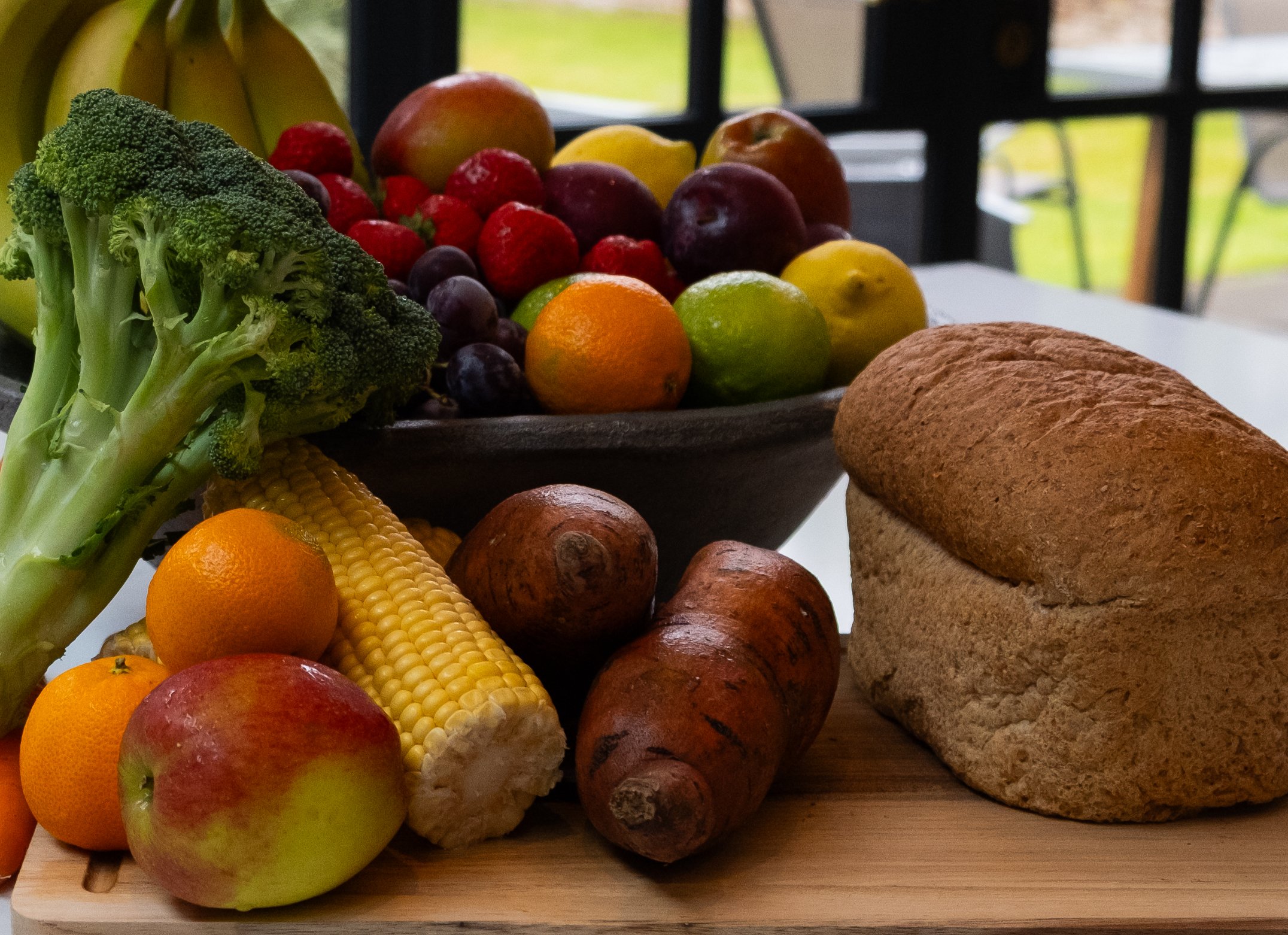
- Good options: oats, berries, lentils, veg, chia seeds
- Prunes and kiwi fruit get a lot of love in the community
Optimising the benefits of GLP-1s and long-term results of the medications can be achieved by having fibre at each meal and snack. – Kirsty, Prowise Healthcare
3. Gentle movement works wonders
So the good news? You don’t need to smash a workout.
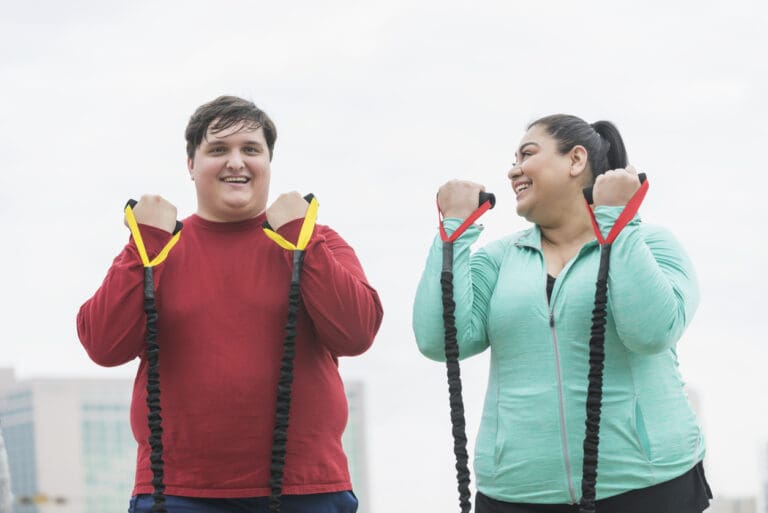
- Walking is enough (build up your distance)
- A short walk after meals can really help
- Consistency beats intensity
People need to find a way to consistently challenge their muscles. – Jodi Montlake, We Got This!
I always make time to walk after tea. I drag the kids along too! – Katie
4. Get into a rhythm
Your body likes routine. It really does.
- Try going to the toilet at the same time each day
- Don’t ignore the urge when it comes
- Give yourself time (no rushing and no straining!)
A small footstool under your feet can also help posture and make things easier.
I was an early convert to using a footstool. It’s caused much fun for my family and friends but it really makes a difference – James
5. Supplements can help (if needed)
If food and hydration aren’t enough, many people turn to:
- Psyllium husk (fibre supplements)
- Magnesium-based supplements
- Osmotic laxatives (like macrogol products)
We recommend you always chat to a pharmacist if you’re unsure what’s right for you. Or take a look at the NHS online advice.
I recommend a high quality probiotic alongside a fibre supplement, and that combination has made a big difference. – Jen Vittanuova, Clinical Nurse Director
When to get medical help
Constipation on GLP-1s is common but it shouldn’t be something you just suffer through. Remember, if it’s:
- Persistent
- Painful
- Getting worse
- Or coming with symptoms like vomiting or severe stomach pain
You need to speak to your GP or healthcare provider.
Ultimately, This is one of those side effects that can catch you off guard. You’re eating less, feeling better… and then suddenly things just stop moving.
The winning formula repeated by the SlimrChat community and friends is:
Hydration + gentle fibre + movement = big improvement
It might take a bit of trial and error on your part but rest assured, most of us find our rhythm again.