
Understanding eligibility for weight loss prescriptions
Before you start seeking a weight loss prescription, it’s worth knowing whether you meet the basic eligibility criteria for taking the treatments. The main criterion is often based on your Body Mass Index (BMI), a measure that uses your weight and height to determine if you are in a healthy range. Click here to see our article, How do I work out my BMI?, and calculate your own BMI.
To be eligible for weight loss prescriptions, these are some common requirements:
- BMI of 30 or above (considered obese), or BMI of 27 or above with a weight-related condition, such as type 2 diabetes or high blood pressure.
- Documented attempts at weight loss using diet and exercise, usually over at least six months. Your healthcare provider may ask about your history of trying to manage your weight without medications.
A note on the main weight loss drug variants
There are two main families of weight loss drugs, Semaglutides (such as Wegovy (or Ozempic as it is branded in the US ) and manufactured by Novo Nordisk) and Tirzepatides (such as Mounjaro (or Zepbound a sit is branded in the US ) and manufactured by Eli Lilly).
Both Semaglutide and Tirzepatide are injectable medications that help people lose weight and manage obesity. They mimic natural hormones in the body that regulate appetite and metabolism, making you feel fuller for longer and reducing how much you eat. Doctors also prescribe them to manage blood sugar levels in people with type 2 diabetes.
Semaglutide (e.g. Ozempic and Wegovy):
- Semaglutide mimics a hormone called GLP-1 (Glucagon-like peptide-1), which helps control hunger and regulates blood sugar levels.
- Injected once a week
Tirzepatide (e.g. Mounjaro and Zepbound):
- Tirzepatide mimics two hormones:
- GLP-1 (like Semaglutide).
- GIP (Glucose-dependent insulinotropic polypeptide), which further enhances weight loss and blood sugar control.
- Injected once a week
Semaglutide vs. Tirzepatide
Semaglutide works like having one helper for appetite control, while Tirzepatide brings an extra helper to the job — potentially making it more powerful. Clinical trials have shown that Tirzepatide leads to better weight loss results compared to Semaglutide.
Different ways to get a prescription
So you meet the eligibility requirements, how do you get a prescription? Depending on where you live, there are a few ways to get a prescription for weight loss treatments.
1. Through your GP or primary care doctor
This is the traditional route for most people. Your primary care doctor knows your health history and is often the best person to speak to first. Make an appointment to discuss your weight management options, and if they believe it’s suitable, they may prescribe you a weight loss treatment. Be aware that in the UK the NHS, due to costs, has high eligibility criteria and it is unlikely you will get an NHS prescription unless you have an extremely high BMI and other comorbidities. (* see ‘A Note on getting weight loss treatments prescribed on the NHS in the UK’ below).
What to expect:
- Assessment: Your GP will discuss your weight history, previous attempts at weight loss, and any underlying medical conditions.
- Possible follow-up: Your GP may refer you to a dietitian or specialist, particularly in the UK, where weight loss medications may only be recommended as part of a comprehensive weight management plan.
In the UK, the NHS has been allowed to prescribe Semaglutide (e.g. Wegovy) since 2023, but only under certain conditions:
- Adults with BMI ≥ 35 kg/m² and at least 1 weight-related condition.
- Adults with BMI 30–34.9 kg/m² if referred to specialist weight management services per NICE obesity guidelines.
- Lower BMI thresholds (-2.5 kg/m²) apply for specific ethnic groups so do check with your doctor.
- Conditions of use:
- Maximum 2 years.
- Provided only within specialist weight management services
- Used alongside a reduced-calorie diet and increased physical activity.
- Progress monitoring:
- Treatment is reconsidered if <5% weight loss after 6 months.
Tirzepatide has been available since 2024 on the NHS and the conditions for an NHS prescription are:
- Adults with BMI ≥ 35 kg/m² and at least 1 weight-related condition.
- Lower BMI thresholds (-2.5 kg/m²) apply for specific ethnic groups so do check with your doctor.
- Conditions of use:
- Must be used alongside a reduced-calorie diet and increased physical activity.
- Progress monitoring:
- Treatment is reconsidered if <5% weight loss after 6 months.
Additional helpful links: NHS: Obesity Treatments
2. Specialist weight management clinics
If your GP believes you need extra support, you may be referred to a specialist weight management clinic. These clinics often offer a multi-disciplinary approach that may include dietitians, therapists, and doctors who specialise in obesity care.
In the UK, NHS referrals to these clinics may take time, and there’s often a waiting list.
3. Private clinics
There are private weight management clinics and online healthcare providers that specialise in weight loss treatments. This route is often faster but comes at a cost, as it’s generally not covered by public healthcare or insurance.
- Private clinics: Offer in-person appointments with specialists who can prescribe treatments.
- Online services: Online consultations are becoming increasingly popular. They allow you to speak with a doctor via video or chat and potentially get a prescription without visiting in person.
Due to concerns about inappropriate prescribing, online pharmacies in the UK can no longer issue weight loss prescriptions based solely on online questionnaires. New regulations require in-person or video consultations to verify BMI and health history. Additionally, pharmacists must independently verify medical records or consult a patient’s GP before prescribing these medications.
4. Online pharmacies (Now With Stricter Regulations in the UK)
Many well-known online pharmacies offer weight loss medications, they should adhere to regulations outlined above on how they assess patients:
- No more online-only questionnaires: Pharmacies must conduct an in-person or video consultation.
- Independent verification of BMI and health conditions: Patients’ medical records must be checked, or their GP must be contacted to ensure eligibility.
- Stricter enforcement: Pharmacies failing to follow these new rules may face inspections and penalties.
- Prescription: If approved, the prescription will be issued, and the medication can be delivered to your door (usually in discreet packaging) or collected from a local pharmacy.
To ensure safety, always use reputable online pharmacies registered with the General Pharmaceutical Council (GPhC) in the UK – SlimrChat tracks the pricing of Mounjaro and Wegovy with over 100 GPhC pharmacies in the UK – you can view the directory of the pharmacies here: Pharmacy Directory.
What to ask your healthcare provider
If you’re considering starting weight loss treatments, it’s important to ask questions to make sure you’re comfortable with the process:
- What are the potential side effects? Weight loss medications can have side effects like nausea, fatigue, or constipation. Understanding what to expect can help you prepare.
- How long will I need to take it? Weight loss medications can be a long-term commitment; your doctor will want to monitor your progress.
- What support will I need? Weight loss medications work best when combined with lifestyle changes. Ask your doctor what kind of support (e.g., dietitian advice, exercise plans) they recommend.Be mindful of the costs
Costs
If you have pay for the treatment yourself, be mindful of the costs. Everyone is different but many of the weight loss claims made by the drug companies have been been established over as along as 18 months. So, do bear in mind the overall costs over time and be mindful of introductory prices for your first dose – the average cost of an 18 month Mounjaro treatment in the UK is roughly £5,500 (base don a typical treatment plan)…so £40 off the first dose might not be the best deal if that prescriber is more expensive over time – the most expensive pharmacy will charge over £8,000 for Mounjaro over 18 months, £3,500 more than average!!
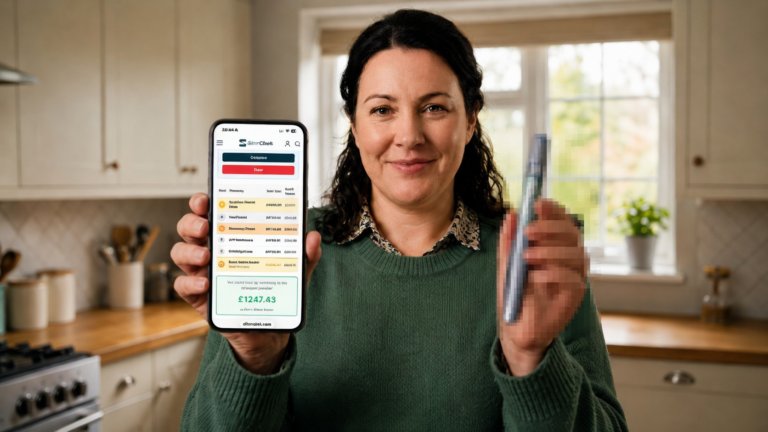
Here at SlimrChat we felt there needed to be more transparency over the costs of both Mounjaro and Wegovy over time so started tracking costs for the different doses across 100+ UK pharmacies and you can easily compare and contrast pharmacy costs across different parameters. We aim to give you the easiest way to find the best prices. Check out:
Step-by-step guide to getting a prescription

- Book an appointment with your GP or a private healthcare provider.
- Discuss your weight history and any prior weight loss attempts.
- Get assessed for your suitability — your BMI, health conditions, and lifestyle will be evaluated.
- Receive your prescription if deemed appropriate. Your healthcare provider will explain how to use the treatment.
- Follow up regularly — keep in contact with your healthcare provider to monitor your progress and any side effects.
When to seek medical advice
It’s always advisable to seek medical advice if:
- You have any underlying health conditions, such as diabetes or heart disease.
- You’re unsure whether a weight loss medication is right for you.
- You experience any side effects that are concerning.
With new UK regulations in place, accessing weight-loss medications now requires stricter verification, making it harder to obtain them inappropriately.
Remember, everyone on weight-loss treatments has been through this, so ask the community if there is anything you want to ask them or maybe you want to share your experience. Join the SlimrChat forums and chat now, it will help others!