
Fast weight loss might actually be BETTER for you*
(*remember, we all react differently)
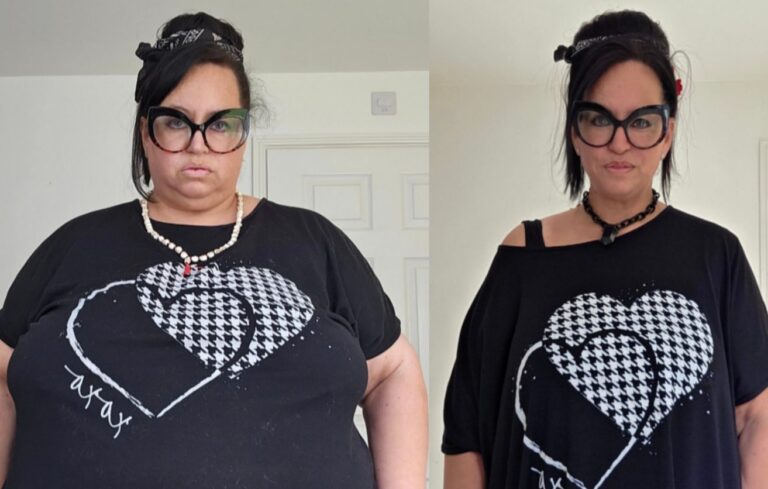
For ages we’ve all been told to lose weight slowly, or it will all go back on quickly. Well, it looks like taking a structured rapid weight loss plan might work better over a year (for some) and, great news, the people who were followed, put weight back on more slowly.
The faster approach helped more people hit key health targets linked to lower risks of type 2 diabetes, joint pain and heart problems, the researchers said. Interesting stuff.
Using steps to keep weight OFF
Good news if you’re constantly staring at your smartwatch or phone in despair when trying to meet your steps target!
It looks like the magic number to keep weight off is now 8,500 steps. This is 1,500 steps lower than the 10,000 steps that frankly everyone seems to quote (which was created by a Japanese company in 1965 to sell a new gadget!).
The thinking of the experts is very simple, and well known to many of us:
- Food is usually the biggest driver of weight loss
- Movement stops the weight creeping back on
Having tried to stick to 10,000 steps a day 8,500 steps feels a lot more realistic when you have to work and have family. Have a look at our article about steps.
A shorter working week could reduce weight issues
Who would have predicted this? Although it actually makes sense.
Long working hours, stress and exhaustion are becoming major drivers of weight issues according to research.
The key factor was “time poverty”. We’re so tired and stretched for time that cooking healthy meals, exercising properly and sleeping enough all become harder.
They pointed out that nearly half of adults around the world now eat out at least once a week, often choosing ultra-processed, high-calorie foods because they’re quick and convenient. And, pretty addictive I’d say!
So…they suggested a four-day working week could improve public health by giving people more time to cook, move and recover.
Is the obesity crisis finally slowing down?
Good news. Obesity rates may be levelling in wealthier countries around the world (including the UK), and in some European countries they’re reducing.
This is the result of looking at the info on 200 million people. It was made clear that the problem isn’t solved but it does show it can be stopped. And GLP-1 treatments are at the centre of this change.
Daily pills are coming fast
Some patients who lost weight using jabs were able to switch onto daily tablet treatments and still keep off around 75% to 80% of their weight loss after a year. This is brilliantly positive news.
For those of you who
- want cheaper treatment options
- struggle with long-term jab use
The daily pills could be the answer. Here’s our story on the Wegovy pill and Foundayo from the Mounjaro manufacturer.
It’s not just about weight
We all know this but now it’s loud and clear: treatment for weight isn’t just about BMI – it’s about protecting your body and organs.
Bigger weight losses from using GLP-1 drugs are linked to major reductions in serious health risks including:
- sleep apnoea
- kidney disease
- osteoarthritis
GLP-1’s appear to target the dangerous fat stored around organs, visceral fat, while helping us keep more muscle than traditional crash diets.
Honestly, this seems logical to a non-scientist like me but it’s important reassurance for all of us about the GLP-1 weight loss journeys we’re on or have been on. It’s all the more reason to keep on your journey including, of course, the vital maintenance stage when you’ve hit your weight goals.
So…
For us at SlimrChat it’s so refreshing to see how weight issues are being considered now. The combination of less stereotyping of people, new science and flexible approaches and advice is really powerful. I only wish it had been the case 30 years ago!