Getting going
You don’t need to wait until you’ve hit a “goal weight” before starting to move. Any type of movement or defined exercise is valuable at all stages of your weight loss and health journey. Regular movement and activity really helps to improve your mood, your quality of sleep and maintains and improves muscle. It even helps manage your side effects, such as constipation.
If you’re concerned about joints or mobility, low-impact options are ideal so you could try:
- Walking. It’s accessible, free, and adaptable. Even short walks count!
- Swimming or aqua aerobics reduce strain on joints
- Cycling or using a stationary bike offers a heart-healthy, seated option
- Resistance bands or bodyweight exercises can gently build strength without needing to use heavy equipment
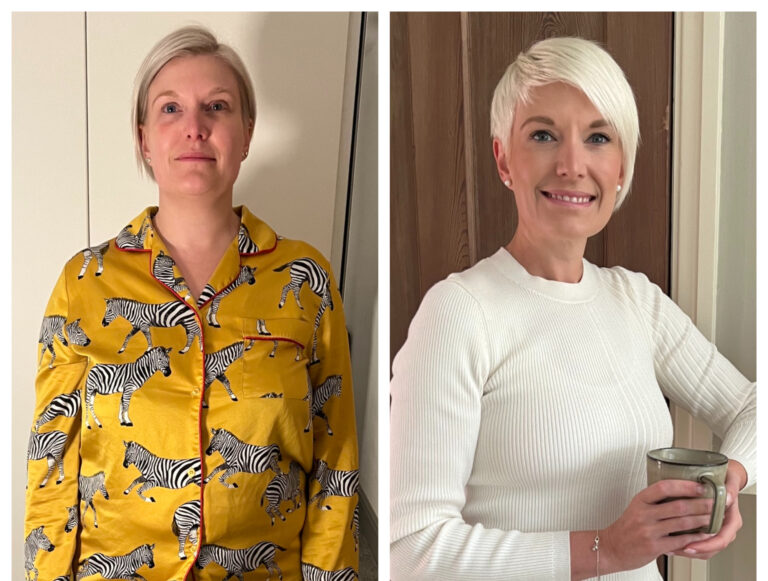
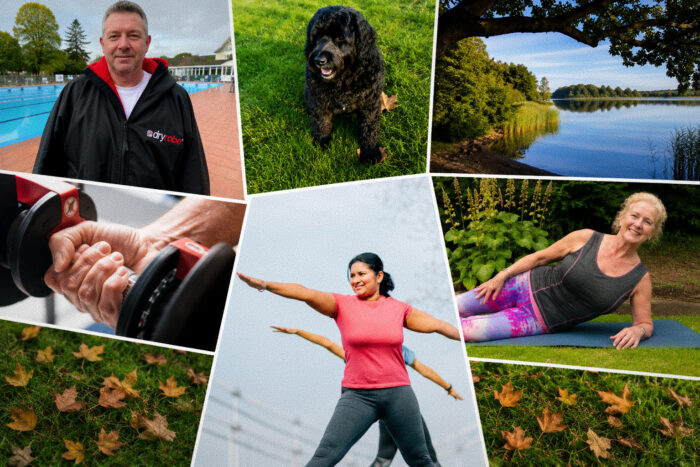
I was about 6 months into my journey before I was confident enough to exercise again. I’m now 6 months into doing kettle bell classes and I can really feel the difference. It’s making me feel happier. Wish I’d started earlier – Jayne
Age isn’t a barrier
It’s completely normal for your exercise preferences to change as you age. As we age the type of movement our body requires changes:
- 20s and 30s: you may have more natural energy but less time due to work or family. Think about high-intensity sessions or short workouts like a brisk walk or bodyweight circuits
- 40s and 50s: bone density and muscle mass start to decline. Strength training whether with weights, resistance bands or yoga becomes more important. NHS guidelines recommend at least two strength-building sessions a week (I do them in my spare room!)
- 60s and beyond: balance, flexibility and joint health matter most. Tai chi, Pilates, yoga or light resistance training all support mobility and reduce the risk of falling
Ageing isn’t a reason to slow down. It’s a reason to adapt and even try new types of exercise. Movement at all ages supports healthy aging
Match to your energy level
If you’re still on weight loss treatments you might feel tired and find that your energy fluctuates. This is especially true during the early weeks as your body adjusts to the medication.
Of course, this doesn’t mean exercise is off the table, it just means it may look different:
- Short sessions: 10 to 15 minute walk or stretch
- Exercise snacks: climbing stairs, a few squats or a brisk walk between meetings. Even 1 minute helps!
- Gentle energy-boosters: yoga, tai chi or light stretching can be restorative
Make it enjoyable
Concentrating on how movement makes you feel is key. This could be physically, mentally or emotionally. It feels hard work when we make it only about calories or “working off” food.
We’re all different. For some of us for joy comes from dancing around the kitchen, in the kitchen, gardening or walking the dog. For others it may be team sports, Zumba classes or lifting weights.
I walk my dogs twice every day. I’m now doing longer routes and enjoying them much more. It’s way more movement. And it’s helping me stay away from snacking! Ben
Try lots of different things until you find what makes you want to keep doing it. It’s obvious but consistency matters more than intensity. It’s better to move in small, regular ways than to push yourself into exhaustion with a one-off big session. Just like with nutrition, consistency above all else is key.
Also you don’t need to join a fancy gym or pay a fortune for exercise classes. Most of us have experienced doing this and seen the motivation fade. I certainly have.
Making it stick
Start small: aim for two or three sessions a week, even if they’re only 10 minutes
- Routine is key: pair movement with daily habits e.g. a walk after dinner, or stretching before bed, squats whilst making a hot drink
- Lean on friends, family and your local community: walking groups, fitness classes, dance lessons etc
- Track progress: Notice wins beyond the scale, it could be more stamina, better sleep, or improved mood
Remember that every small change you make makes your movement plan more sustainable and stress free.
Movement that works for your size, age and energy isn’t about following the latest fitness trend. It’s about listening to your body and choosing activities that feel achievable and enjoyable.
The best exercise is the one that is right for you when you feel joy and keep doing it consistently. And it’s fun.